Last Updated on July 23, 2026
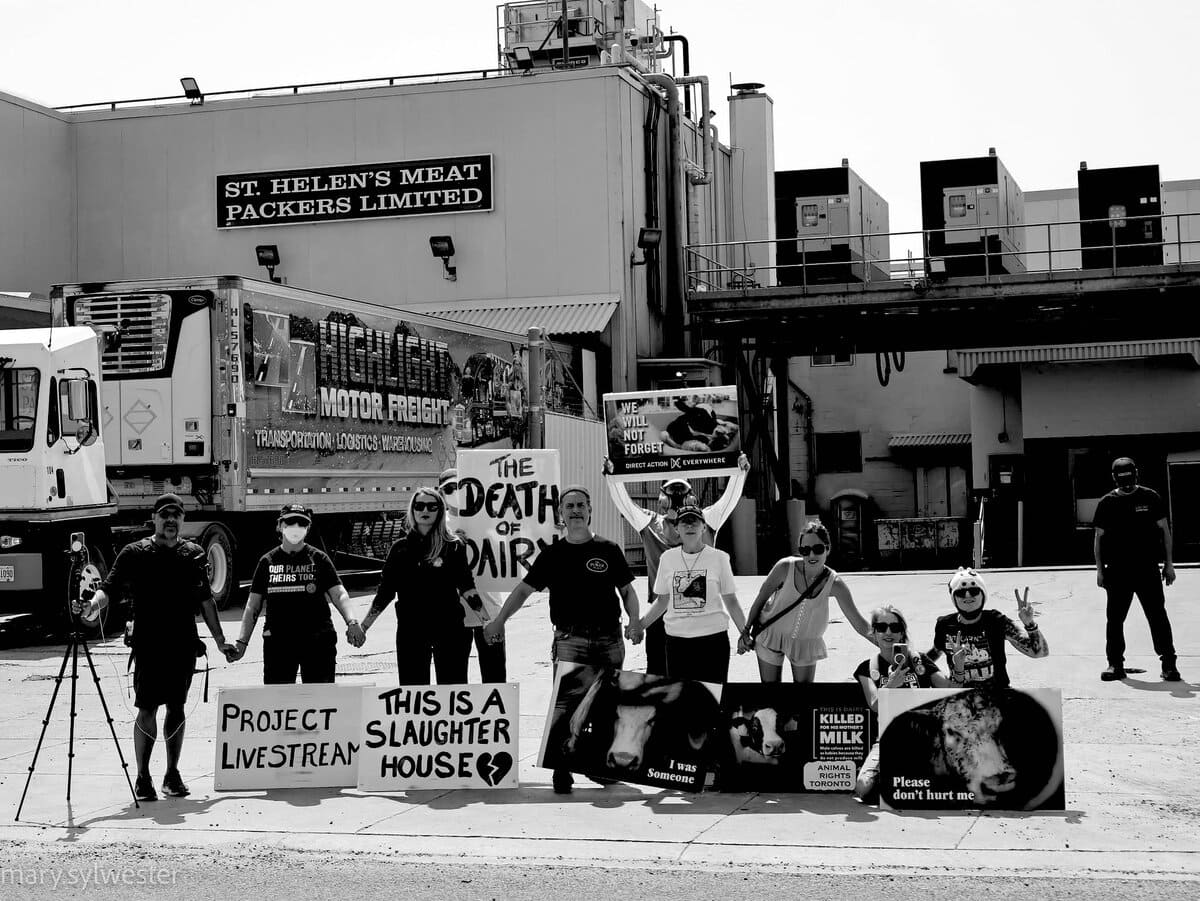
Standing outside slaughterhouse gates to bear witness offers farm animals their first—and only—moment of genuine warmth and love before their lives are taken. Yet, as the trucks roll inside and the gates close, activists are left carrying a crushing weight of grief and survivor’s guilt. Re-entering a society that normalizes and funds this extreme violence creates a surreal, dystopian disconnect. Despite the emotional toll, bearing witness remains a vital act of resistance: it restores individuality to nameless statistics, exposes the universal cruelty of animal agriculture, and fuels the relentless fight for total animal liberation.
What It Means to Bear Witness Outside a Slaughterhouse
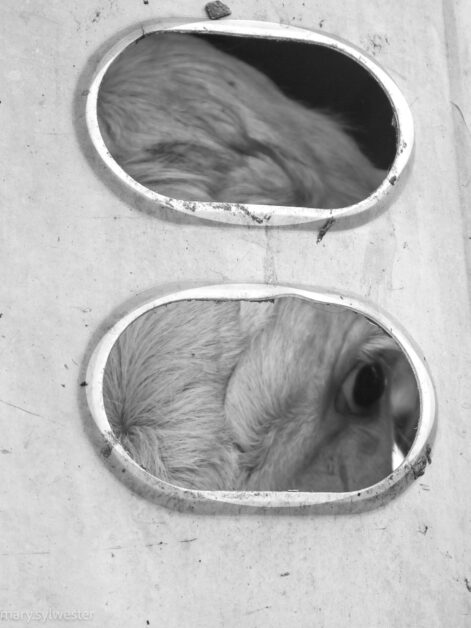
There is a specific, agonizing stillness that settles in after the transport trucks roll past. Standing outside a slaughterhouse gate, the air is heavy with an undeniable reality. We press in as close as we can to the trucks, trying to bridge the gap between us and the animals trapped inside. In those final moments, every piece of our focus is on projecting gentle energy, calm, and pure love to them. For almost every animal in those trailers, that brief touch through the metal bars is the only time in their entire lives on this planet that they experience genuine love rather than cold exploitation. We stand there to ensure that before their lives are taken, they receive the warmth and dignity they have always deserved.
The Emotional Toll on Activists: Navigating Survivor’s Guilt
Then the gates close, the engines fade, and we are left standing on the curb. What follows is a quiet, disorienting crisis that activists know intimately. We carry a heavy, crushing sense of guilt, very much like survivor’s guilt. You walk away with your life and your safety, while they are carried inside to be killed.
The Dystopian Disconnect: Returning to Everyday Society
Stepping back into ordinary society afterward feels profoundly surreal. You are suddenly surrounded by the very humans who cause and fund this suffering, watching them carry on with their routines without a second thought for what is happening just behind those walls. It creates a deep, painful disconnect. It feels like living in a dystopia, trapped in a world where extreme violence against vulnerable beings is completely normalized and ignored.
Why Bearing Witness is Essential for Animal Liberation
This is precisely why bearing witness is so vital. The public needs to see what is happening, and people must be confronted with the raw truth. It does not matter where these animals came from or what comforting labels were put on their living conditions before they arrived. Regardless of how they were raised, every single one of them was exploited by animal farmers, and they all end up at the exact same terrifying destination. In the end, they are all forced into gas chambers and/or have their throats slit.
By standing at those gates, we get the opportunity to see them as individuals, to capture their faces, and to share their stories with a world that desperately needs to wake up. Bearing witness is our refusal to let them go silently into the dark as nameless statistics. The heartbreak and survivor’s guilt we carry afterward are heavy, but we carry them willingly, holding onto their memory and channeling every ounce of that grief into the fight for their total liberation.
“The world is a dangerous place to live; not because of the people who are evil, but because of the people who don’t do anything about it.”
— Albert Einstein
Animal lover? Check out A Guide to Going Vegan For the Animals for more ways to show your love for animals. Brought to you by The Vegan Experience.



Cristina C is a Romanian-born abolitionist vegan writer whose work centers animal liberation, feminism, and ethical accountability. Her perspective is shaped by migration, resilience, and a commitment to confronting normalized harm.