Last Updated on July 23, 2026
Many consumers are unaware of the dark reality behind their wardrobe choices, making it vital to examine the ethics of fur fashion. Addressing the appeal of animal cruelty in the fur industry, this article exposes inhumane methods such as electrocution and the horrific practice of skinning animals alive. By highlighting both the environmental damage and deceptive labeling, we argue that the only ethical path is a total transition toward a cruelty-free fashion future.
- The Illusion of Luxury vs. Reality
- My Personal Shift to Advocacy
- How Unrealistic Beauty Standards Fuel Exploitation
- Why Fur is Not Fashion: Top 5 Shocking Reasons to Reject the Fur Industry
- 5 Practical Ways to Help Animals Today
- Embracing Sustainable Faux Fur Alternatives
- Sustainable & Vegan Faux Fur Options:
- The End of Fur: A Sustainable and Ethical Fashion Future
The Illusion of Luxury vs. Reality
To support murder and then flaunt a dead person as a fashion accessory is, quite frankly, heartbreaking. Unfortunately, the industry has spent decades branding “luxury” to make wearing fur seem acceptable. While fur is undeniably soft, the fashion world exploits our desire for beauty to mask a violent process.
Fur can provide warmth, but in our modern world, it is rarely necessary or justifiable to take it from another sentient being. Therefore, the ethics of fur fashion must address why society still finds an appeal in products rooted in suffering.
My Personal Shift to Advocacy
My own journey is a testament to this shift. I can admit that I have worn animal products in the past. However, once I truly understood the horrific cost behind that “luxury,” I moved from wearing fur to protesting it.
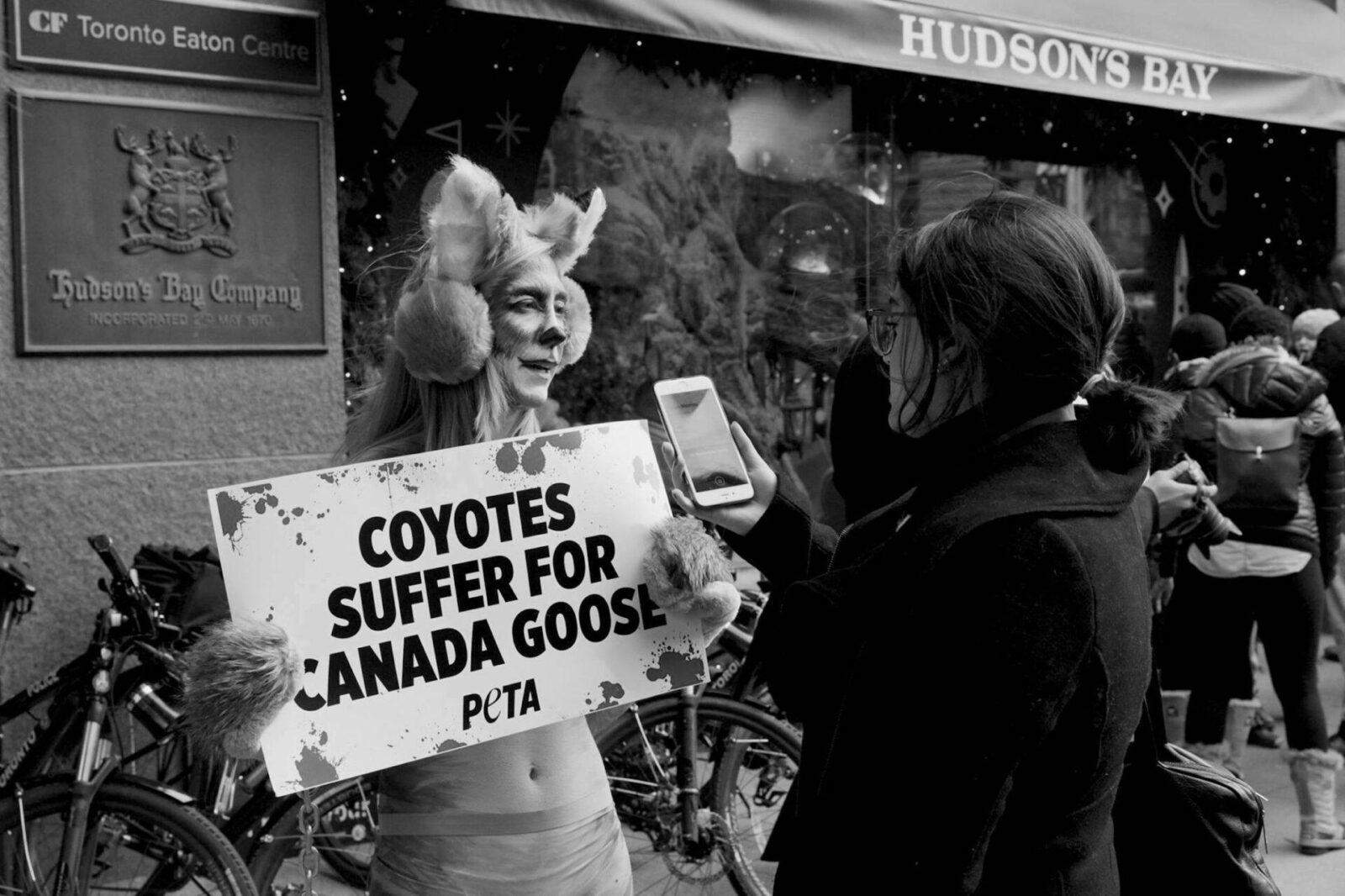
This commitment pushed me out of my comfort zone, leading me to join high-impact actions. Consequently, if you’re ready to see the gravity of this cause, I encourage you to read about my experiences with PETA & DxE protests, where I share footage from the front lines of activism.
How Unrealistic Beauty Standards Fuel Exploitation
Media advertisements often promote a narrow, “flawless” appearance that is frequently photoshopped. Because the average person cannot achieve these standards, it often leaves many feeling insecure. The industry preys on these insecurities, suggesting that fur provides the status or beauty we lack.
While these insecurities are difficult to navigate, they do not excuse the animal cruelty in the fur industry. We may not always be able to physically stop a factory, but we have the power to stop supporting them. By choosing compassion, we can collapse the demand for exploitation.
Why Fur is Not Fashion: Top 5 Shocking Reasons to Reject the Fur Industry
1. Torturous Methods
The methods used to “harvest” fur are designed to keep the pelt intact, not to minimize pain. Specifically, animals are often subjected to:
- Gassing: Animals may be exposed to lethal gases, which can intentionally cause slow and painful deaths.
- Electrocution: Electrocution can be poorly administered, resulting in prolonged suffering. Anal and genital electrocution remains legal in most states. This practice subjects fur-bearing animals to excruciating pain when killed for their fur.
- Poisoning: Poisoning can be a slow and agonizing death.
- Psychological Distress: The constant threat of predation (from other animals or humans) and the unnatural environment can cause significant fear and anxiety in farmed animals.
- This video captures the horrific reality of farmed animals and allows us to bear witness to their reality (which is usually hidden from us).
2. The Cruelty of Factory Farming
Around 85% of global fur comes from animals reared on farms. These facilities hold animals captive in crowded, unsanitary cages. Furthermore, the lack of stimulation leads to psychological distress, resulting in abnormal behaviors like self-mutilation.
- Factory farms hold animals captive, confining them to severely crowded and unsanitary cages, and often skinning them alive.
- Disease Outbreaks: The close confinement of animals on fur farms can lead to the rapid spread of diseases, causing significant suffering and mortality.
- Parasite Infestations: Parasites are common in fur farm environments, causing discomfort, illness, and even death.
- Lack of Stimulation: The barren environment provides little mental or physical stimulation, leading to frustration, boredom, and abnormal behaviors like pacing and self-mutilation.
- According to research published on the National Institutes of Health’s PubMed Central, around 85% of the fur (used in the global trade) is from animals reared on farms.
3. Lack of Regulation in Global Exports
China is the world’s largest fur exporter, yet it has virtually no penalties for animal abuse. Consequently, the United States continues to import millions of garments that may actually contain fur from cats and dogs, often hidden under deceptive trade names.
- Lack of Oversight & Enforcement: China, the world’s largest fur exporter, has zero penalties for animal abuse on fur farms. This leads to widespread neglect, abuse, and a lack of accountability for farmers.
- Improper Electrocution: Poor electrocution often inflicts prolonged suffering on animals, sometimes leaving them incompletely stunned before other killing methods are applied.
- Blunt Force Trauma: Workers may bludgeon or beat animals to death, causing significant pain and distress.
- The United States imports more than half of the finished “fur garments” for sale.
- Millions of cats and dogs suffer and die for their fur in this cruel industry.
- China is the world’s largest fur exporter.
- Read more & watch undercover footage here from PETA.
4. Deceptive Marketing and Greenwashing
The industry frequently uses “Greenwashing” to label products as ‘sustainable’ or ‘humane.’ In reality, real fur is sometimes cheaper to produce than high-quality faux fur, leading to the deliberate mislabeling of real fur as “synthetic” to trick ethical consumers.
- Mislabelling: The fur industry often deliberately mislabels fur (along with other animal-based products such as leather) as faux or from other species to deceive consumers. They frequently mislabel fur from dogs and cats as “fox” or “raccoon dog” to further deceive consumers.
- Killing for Profit: Shockingly, real fur can now be cheaper to produce and purchase than fake fur, highlighting the devastatingly low value placed on animal life within the fashion industry.
- Lack of Transparency: It’s extremely difficult to obtain accurate information about fur farming practices in China due to a lack of transparency and limited access for independent observers.
Greenwashing: The industry often misleads consumers by using terms like ‘sustainable,’ ‘humane,’ or ‘eco-friendly’ to imply that their products are ethically sourced, even when they are not. - Misleading Certifications: Some certifications may have low standards, allowing fur farms to easily manipulate them and falsely claim ethical practices.
- Marketing Campaigns: The industry often portrays fur as a glamorous and luxurious product, downplaying or completely ignoring the suffering of the animals involved.
- Misleading Imagery: Images and videos used in marketing often depict idealized and sanitized versions of fur farms, hiding the reality of animal confinement and suffering.
5. The Environmental Impact of Fur Farming
Contrary to industry claims, fur is not “natural” once it is treated with heavy chemicals to prevent rotting. Moreover, the environmental impact of fur farming is devastating. Waste runoff contaminates waterways with nitrogen and phosphorus, while the production of animal feed contributes significantly to greenhouse gas emissions.
- Fur farming pollutes our environment with waste from mass animal production, contaminating waterways and impacting air quality.
- Waste Runoff: Fur farms generate large amounts of animal waste (feces and urine). This waste can contaminate nearby waterways. The high levels of nitrogen and phosphorus can cause algal blooms. These blooms deplete oxygen levels in the water, harming aquatic life.
- Soil Contamination: Runoff can pollute soil, impacting plant growth and potentially contaminating groundwater.
- Air Pollution: Animal waste and processing chemicals can release harmful gases into the atmosphere.
- Land Use: Fur farms consume significant land area, land that could better serve agriculture or conservation.
- Water Consumption: Fur farming requires substantial water for animal drinking, cleaning, and waste disposal.
- Greenhouse Gas Emissions: Animal waste and the production of animal feed contribute to greenhouse gas emissions, contributing to climate change.
- Deforestation: Clearing land for fur farms can contribute to deforestation, which further exacerbates climate change.
- Escape of Animals: Some farmed animals, such as mink, can escape their enclosures. These escaped animals can become invasive species, disrupting local ecosystems and harming native wildlife.
5 Practical Ways to Help Animals Today
1. Exercise Your Purchasing Power
Every purchase is a vote. By choosing sustainable faux fur alternatives, you send a message that cruelty is no longer profitable. This collective consumer action can effectively drive the fur industry towards extinction, ultimately benefiting both animals and the environment. Learn how to spot real vs. faux fur using online resources. This helps you avoid the fur industry’s deceptive labeling practices.
Brands like NOIZE offer incredible plant-based outerwear with faux fur that proves you don’t need to sacrifice style for ethics. Check in with others who can vouch for vegan cruelty-free brands, and always do your research. For example, you can check out our reviews, such as our review of the NOIZE Winter Long Length Parka.
2. Support Animal Rescue Efforts
The facts about fur farming are deeply disturbing and highlight the immense suffering inflicted upon animals. While these truths can be difficult to confront, it’s important to remember that many compassionate animal rights activists are working to rescue animals from this cruel industry. Showcasing footage of the incredible joy and resilience of animals rescued from fur farms. It’s truly heartwarming to witness their freedom. This footage serves as a powerful reminder of the inherent cruelty of the fur fashion industry and the importance of supporting organizations that work to end this inhumane practice.
3. Repurpose and Donate Existing Fur
If you have any fur, please consider donating it to a rescue group or sanctuary for orphaned animals. This fur can provide much-needed warmth and comfort to these vulnerable creatures, especially during the colder months. Many animals in sanctuaries, particularly those who have lost their mothers, find solace in the soft touch of fur. This act of compassion stands in stark contrast to the cruelty inherent in the fur fashion industry, where animals suffer and die for the sake of fashion. By choosing to repurpose existing fur for a benevolent purpose, you contribute to a more ethical and humane approach to animal welfare.
4. Creative Upcycling
Instead of discarding your old fur garments, you can give them a second life by repurposing them. By donating or repurposing your fur, you can ensure that it doesn’t contribute to the suffering of other animals and instead provides comfort and warmth to those in need. Some creative ideas include:
- Crafting: Turn fur trims into cozy blankets for small animals or create playful toys.
- Donating to educational institutions: Educators and wildlife rehabilitators can use fur samples for educational purposes.
5. Education & Awareness
Educating others about the realities & ethics of the fur industry is crucial in the fight against fur fashion. By sharing information about the cruelty involved in fur farming, the environmental impact, and the deceptive marketing tactics employed by the industry, we can empower individuals to make informed choices.
When people understand the true cost of fur, they are more likely to reject it and advocate for a more compassionate and sustainable fashion system. Sharing knowledge, whether through conversations, social media, or educational campaigns, can create a ripple effect of awareness and ultimately contribute to the decline and elimination of the fur trade.
Find inspiration in the work of vegan animal rights activist Jenny McQueen. Her zip-off the cruelty outreach method has empowered countless individuals to take action against the fur industry.
Embracing Sustainable Faux Fur Alternatives
Plant-based alternatives to fur, such as faux furs made from hemp, milkweed, and other natural materials, offer a compassionate path forward. These alternatives are sustainable because they use natural resources and are biodegradable. They offer a cruelty-free and eco-conscious option for those seeking stylish and ethical fashion choices, as they avoid the harm caused by animal agriculture and minimize environmental impact.
- Hemp and Nettle: Durable, biodegradable, and chemical-free.
- Bio-Based Polymers: Using corn or recycled ocean plastics to create high-end textures.
- Agricultural Waste: Turning fruit peels and coffee grounds into wearable art.
Sustainable & Vegan Faux Fur Options:
1. 100% Plant-Based
- Savian: Utilizes a blend of nettle, hemp, and flax, prioritizing sustainable sourcing and eco-friendly production.
- Gacha (by ECOPEL): 100% biodegradable, crafted from plant-based materials, offering a truly sustainable alternative to petroleum-based faux furs.
- BioFluff: Focuses on luxurious textures that mimic real fur, using natural plant fibers for a cruelty-free and eco-conscious option.
- Hemp Fur: Durable, breathable, and biodegradable, grown without harmful chemicals.
- Milkweed: A potential source for plant-based fibers, though currently less common in commercial production.
- Seaweed-Based Materials: Some companies are exploring the use of seaweed as a source for sustainable and innovative textiles, including potential faux fur applications.
2. Blends and Innovations
- Koba: Combines corn-based fiber with recycled polymer fibers for a unique blend.
- FLWRDWN™: Made from wildflowers and a biopolymer derived from corn, offering a novel and sustainable approach.
- Sorona®: A partially plant-based polymer enables the creation of faux fur with a reduced environmental impact compared to traditional petroleum-based synthetics.
- Recycled Polyester Blends: Many faux furs incorporate recycled polyester, reducing reliance on virgin plastic.
- Bio-Based Polymers: Innovative bio-based polymers are increasingly developing faux fur, offering a more sustainable alternative to traditional plastics.
- Agricultural Waste Utilization: Some faux furs incorporate materials derived from agricultural waste, such as fruit peels or coffee grounds, minimizing waste and promoting a circular economy.
3. Recycled Options:
- PrimaLoft® Bio™: Recycled polyester designed to biodegrade in landfills and oceans, offering a more environmentally responsible alternative to traditional polyester faux fur.
- Econyl®: Made from recycled nylon waste, such as fishing nets and carpet scraps, this material offers a circular and sustainable option.
- Recycled Cotton and Polyester Blends: Many faux furs utilize blends of recycled cotton and polyester, reducing reliance on virgin materials.
There are many other plant-based, sustainable fashion options that you can read more about, including vegan materials and the future of next-generation fashion.
The End of Fur: A Sustainable and Ethical Fashion Future
The ethics of fur fashion underscores a simple truth: no status symbol is worth a life. While the industry hides behind “luxury,” growing awareness is weakening its grip. By choosing compassion, we aren’t just changing our wardrobes; we are changing the world for the better.
The fur industry presents fur as a symbol of luxury and status, obscuring the horrific reality of its production. From the agonizing deaths inflicted upon animals on fur farms to the environmental devastation caused by this industry, the ethical and environmental costs of fur are simply too high. However, the tide is turning. Growing consumer awareness, coupled with the rise of innovative and sustainable alternatives, is weakening the grip of the fur industry.
By choosing compassion and making conscious consumer choices, we can all play a crucial role in driving demand for ethical and sustainable fashion. You can check out our interview features, which include brands producing plant-based & sustainable fashion options for consumers.
“I don’t understand how anyone can wear the skin of an innocent animal. What’s the difference between wearing fur and wearing someone’s dog or cat?”
– Mariah Carey
Interested in more things vegan? Check out A Guide to Everything Else Vegan to explore the many topics of veganism. Brought to you by The Vegan Experience.



A Canadian animal rights activist, feminist, and mental health advocate with a background in Biotechnology. As a vegan for 10+ years and Founder of The Honest Whisper, she is dedicated to amplifying voices and creating a kinder world for all sentient beings.