

Last Updated on July 23, 2026
The author discusses the societal pressure to be extraordinary and the negative consequences of this mindset. They advocate for embracing an ordinary life, which can be equally fulfilling and meaningful. The text explores the characteristics of an ordinary life, the potential benefits of such a lifestyle, and the challenges associated with it. The author also emphasizes the importance of self-love, gratitude, and finding balance in life.
- The Pressure to be Extraordinary
- What is an Ordinary Life?
- What is an Extraordinary Life?
- Embracing Ordinary Life
- Celebrating Authentic Photography
- Health Benefits of an Ordinary Life
- Challenges of Living an Ordinary Life
- Loving Your Ordinary Life
- Loving Other People's Ordinary Lives
- Letting go of the Pressure to be Extraordinary
- The Negative Consequences of Extraordinary Life
- What Causes a Desire for Extraordinary Living?
- Give Yourself a Break
- What does a Balanced Life look like?
- Embracing Imperfections
- Having an Unbalanced life
- What I’ve learned
- Is Ordinary Living Actually Extraordinary?
- Is "Extraordinary" Really Worth It?
People often justify their actions by claiming that because “everyone else does it,” it must be okay. History proves this wrong. Activist groups fighting for animal rights, LGBTQ+ liberation, and racial justice have long challenged this mindset. My time in advocacy showed me how common this excuse is, and it made me wonder where else this logic shows up.
One clear example is our constant drive to be extraordinary. We feel that because everyone else is competing for status, we should be too. This pressure causes unnecessary stress. Exploring the benefits of an ordinary life can lead to a more meaningful existence. We don’t have to compete with everyone else to find fulfillment.
The Pressure to be Extraordinary
Modern society pressures us to stand out. This starts in school and follows us into our careers and hobbies. Expectations from parents, peers, and ourselves can feel overwhelming. Unfortunately, this pressure has only increased over the generations.
A hyper-competitive culture risks our mental health. It contributes to depression, anxiety, and burnout. It can also strain relationships and kill creativity. When popularity matters more than compassion, society suffers. As Brené Brown noted, an ordinary life has become synonymous with a meaningless one. We need to change that narrative.
What is an Ordinary Life?
An ordinary life values everyday experiences and routines. It doesn’t rely on fame or groundbreaking achievements for validation. A typical day might not be dramatic, but it can be deeply fulfilling. Ordinary doesn’t mean boring. In fact, finding joy in the mundane can be a thrill of its own.
Embracing this lifestyle is a form of self-care. It removes the weight of meeting impossible standards. While the world celebrates “greatness,” the unique characteristics of a simple life offer authenticity and connection. These are things truly worth celebrating.
Five Characteristics of an Ordinary Life:
- Real Connections: Ordinary life often nurtures genuine relationships built on trust, empathy, and shared experiences.
- Mindfulness: An ordinary life often encourages a focus on the present moment, leading to a deeper appreciation for the simple joys of life.
- Overcoming Challenges: Facing everyday obstacles can build resilience and the ability to adapt to changing circumstances.
- Belonging: Ordinary life often involves a strong sense of community, providing a feeling of belonging and support.
- Contentment: An ordinary life can offer a sense of contentment and peace that comes from living a simple, meaningful existence.
What is an Extraordinary Life?
We usually define an extraordinary life by exceptional achievements or significant public contributions. These individuals often stand out due to talent, hard work, or even luck.
Examples of Extraordinary Lives:
- Scientists: Albert Einstein, Marie Curie, Jane Goodall.
- Artists: Frida Kahlo, Cindy Sherman, Pablo Picasso.
- Leaders: Nelson Mandela, Angela Merkel, Michelle Obama.
- Activists: Malala Yousafzai, Greta Thunberg, Alice Walker.
Embracing Ordinary Life
While extraordinary achievements can be inspiring, an ordinary life can provide its unique benefits. We can also find happiness in our everyday lives by focusing on personal well-being, relationships, and meaningful experiences. Striving for perfection and constantly comparing ourselves usually does not help with our personal growth and may even make it more difficult. However, embracing our imperfections and learning to be content with who we are can lead to a deeper sense of fulfillment and well-being in the long run. I think many of us can relate to having a mindset of wanting ourselves or others (such as children) to be extraordinary. How do we achieve satisfaction in not achieving extraordinary living and feel fulfilled with ordinary living?
Celebrating Authentic Photography
I recently discovered photographer Sol Libsohn. He captured the finding happiness in everyday life through his lens. His photos often broke technical rules, yet they told authentic stories. By ignoring the “rules,” he found a creative freedom that many miss. His work is a beautiful example of valuing the ordinary.

Many now appreciate this style of photography. In a world obsessed with AI filters and “perfection,” authentic work is becoming rare. Capturing real moments keeps us grounded in our actual history.
Cindy Sherman’s “Untitled Film Still #17”: A Lasting Impact
Cindy Sherman’s work also captures this raw appreciation. Her “Untitled Film Still #17” portrays a vulnerable woman grappling with uncertainty. It challenged conventional ideas of beauty and the female gaze.

You might recognize this piece from the series Inventing Anna. The show uses Anna Delvey’s story to explore ambition and class mobility. However, the message is often conflicted. Whether we are discussing art or media, the point is to remember these real, unpolished moments.
Health Benefits of an Ordinary Life
Mental and Emotional Well-being
- Reduced Stress: A simpler lifestyle can lead to lower stress levels, as there’s less pressure to constantly strive for perfection or meet unrealistic expectations.
- Increased Happiness: Focusing on the small joys and everyday experiences can foster a sense of contentment and gratitude, contributing to overall happiness.
- Improved Sleep: Regular routines and reduced stress can lead to better sleep quality, essential for both physical and mental health.
Physical Health
- Healthy Habits: An ordinary lifestyle often involves regular routines, such as eating meals at consistent times and engaging in physical activity. These habits can support overall physical health.
- Reduced Sedentary Behaviour: A focus on everyday activities and human connection can reduce sedentary behaviour, which is linked to various health problems.
- Balanced Diet: A simpler lifestyle may involve cooking more meals at home, leading to a more balanced and nutritious diet.
Social and Emotional Well-being
- Stronger Relationships: An ordinary life often fosters deeper connections with loved ones, providing a strong support system and emotional well-being.
- Sense of Community: Being part of a community can provide a sense of belonging and purpose, which are essential for mental health.
- Reduced Loneliness: Engaging in everyday activities and social interactions can help prevent feelings of loneliness and isolation.
Overall Quality of Life
- Gratitude and Appreciation: A focus on the simple things in life can cultivate a sense of gratitude and appreciation, leading to a higher quality of life.
- Meaningful Experiences: Ordinary life experiences can be deeply meaningful and fulfilling, providing a sense of purpose and satisfaction.
Challenges of Living an Ordinary Life
It isn’t always easy. Some feel a sense of mediocrity or a lack of excitement. In a society that worships success, choosing the ordinary can feel like “giving up.” However, finding a sense of purpose doesn’t require a trophy.
- Lack of excitement or stimulation: Some individuals may find an ordinary life to be boring or lacking in excitement.
- Feeling of mediocrity: If an individual constantly compares themselves to those who have achieved extraordinary things, they may feel a sense of mediocrity.
- Difficulty finding purpose: Without significant achievements or goals, some individuals may struggle to find meaning or purpose in their lives.
- Social pressure: In a society that often values achievement and success, individuals who live ordinary lives may face social pressure to conform to expectations.
Loving Your Ordinary Life
Unconditional self-love means caring for yourself even when you aren’t “achieving.” Breaking the habit of constant striving takes time. A good first step is dismantling the expectation of being extraordinary.

Give yourself room to set realistic goals. All humans make mistakes, and that is okay. If you feel inadequate, remind yourself of your unique strengths. Success isn’t always a glamorous party in designer clothes. Often, it’s a quiet night in pajamas with close friends and a loyal dog.
Loving Other People’s Ordinary Lives
We must also support others in their simple lives. In her book Never Enough, Jennifer Breheny Wallace notes that children start to lose self-love when they feel constantly criticized. This follows us into adulthood. Our competitive culture is often the real problem, not the individual.
Ways to Express Your Appreciation of Other People’s Ordinary Lives:
- Small Gestures: A helpful hand or an attentive ear goes a long way.
- Quality Time: Be fully present. Put the phone away.
- Words of Affirmation: Express gratitude for who they are, not what they do.
- Thoughtful Gifts: Focus on items that reflect their true self.
- If you are looking for inspiration, I’ve put together a list of 13 thoughtful and useful vegan gifts that are both affordable and intentional. These ideas—ranging from zero-gift pacts to shared experiences—prioritize connection and sustainability over material clutter, making them the perfect way to honor the people you love exactly as they are.
Letting go of the Pressure to be Extraordinary
Social media creates a constant stream of “high-achievers.” This overwhelms our ability to process reality. Reclaiming your mental space is a vital skill. Managing information overload is a vital skill in reclaiming your time and mental space. When we stop chasing every trend, we create the quiet needed to enjoy our own lives.
We must forgive ourselves and others when we fall into this mindset and pressure ourselves or others too much. We should also consider our environment and culture, which have progressed into emphasizing extraordinary living pressures on society. By taking steps that help us and others to let go of the tremendous pressure to be extraordinary, I believe we can improve our quality of life and happiness.
Your life is yours, not society’s. Personal growth and a positive impact on others matter more than a fancy job title. We should measure our wins by our own milestones, not someone else’s highlight reel or online persona.
The Negative Consequences of Extraordinary Life
While being extraordinary is loved by many, there are many reasons to discourage this way of living. The goal is not to discourage extraordinary achievements entirely, but to promote a balanced approach that values both extraordinary accomplishments and the simple joys of everyday life. This can lead to a more fulfilling and sustainable lifestyle. An extraordinary life can come with significant rewards, but it can also have its own unique set of challenges and consequences. One example of this is when Jennifer Breheny says: “Our kids are absorbing the idea that their worth is contingent on their performance—their GPA, the number of social media followers they have, their college brands—not for who they are deep down at their core. They feel they only matter to the adults in their lives, their peers, the larger community, if they are successful.”.
Potential Consequences of Living or Striving for an Extraordinary Life:
Mental and Emotional Toll
- Increased stress and anxiety: The constant pressure to achieve at the highest level can lead to overwhelming stress and anxiety.
- Burnout: The relentless pursuit of excellence can result in physical and mental exhaustion.
- Isolation: The focus on extraordinary achievements can sometimes lead to neglecting personal relationships and social connections.
- Body Image issues: This is especially common in physical achievements where appearance is important (ie, sports or entertainment). The pressure of achieving an unrealistic body expectation can contribute to developing eating disorders or other damaging actions, such as steroid use.
- Depression and Suicide: In some cases, the overwhelming feelings endured while trying to obsessively achieve the extraordinary can lead to depression, suicidal thoughts, and sometimes suicide. This can be due to many reasons, such as emotional distress, loss of self-esteem, perceived lack of control, social pressure and stigma, and underlying mental health conditions.
Relationship Challenges
- Strained relationships: The demanding nature of an extraordinary life can put a strain on personal relationships, as individuals may prioritize their goals over spending time with loved ones.
- Difficulty connecting with others: People who have achieved extraordinary success may find it challenging to connect with others on a personal level, as they may feel above or different from their peers.
Unrealistic Expectations
- Disappointment and dissatisfaction: Setting overly high standards for oneself can lead to disappointment and dissatisfaction when goals are not met.
- Fear of failure: The pressure to maintain an extraordinary level of success can create a constant fear of failure.
Unethical behaviour
- Bribery: Offering money or other bribes to achieve or maintain something extraordinary (ie, an Ivy League school admission or a better grade).
- Jealousy: This could lead to hurtful actions such as sabotage, gossip, or manipulation.
Loss of Perspective
- Difficulty appreciating ordinary moments: A focus on extraordinary achievements can make it difficult to appreciate the value of ordinary moments and experiences.
- Loss of empathy: The pursuit of success can sometimes lead to a loss of empathy and compassion for others.
What Causes a Desire for Extraordinary Living?
These consequences can be significant; however, they are not inevitable. Some people can balance ordinary living with extraordinary living. This is often due to a healthy support system from family and friends, which is not always easy or common to achieve on its own. The desire for extraordinary living may seem obvious because wanting the fame, money, or status that comes along with it is very common (and a great ego boost for many).
I found it interesting that the reason some may develop materialistic tendencies and the desire for a high social status is not that they love money, but rather because they have underdeveloped emotional connections. The materials and social status act as a lure (in the hope that it will attract people to them) and gain the emotional connections they truly need. I feel a genuine emotional connection will rarely be found this way, and it can be a vicious circle. Not having these basic needs met, as we have learned, can be quite seriously damaging to our quality of life.
Give Yourself a Break

Deliberately slowing down and resting is a luxury everyone deserves and needs. If we don’t give ourselves a break, we may fall into unhealthy or even dangerous coping mechanisms.
I previously believed that the most important things should receive the most time. Now I realize all priorities are valuable and should be balanced for optimal benefit. Researchers even suggest a balanced approach (rather than unbalanced, as seen in ranking values) to improve achievement. Breaks offer numerous rewards: improved focus and creativity, reduced stress and anxiety, enhanced creativity, improved mood, and better physical health.

So go ahead and enjoy your break, let yourself relax, and absorb the benefits from it. Even if you feel you don’t deserve it or have time for a break, you do. You must allow yourself and love yourself enough to have this need fulfilled. Extraordinary success can be achieved while maintaining healthy relationships, managing stress, and living a fulfilling life. The key is to find a balance between pursuing your goals and maintaining a healthy and well-rounded life.
What does a Balanced Life look like?
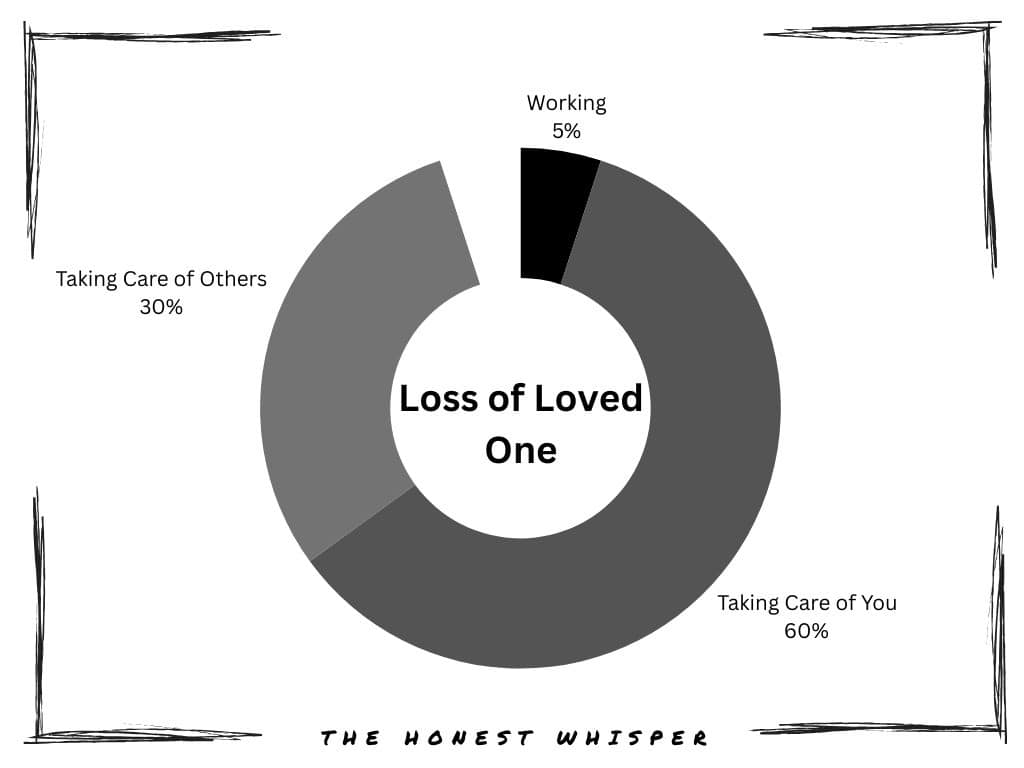
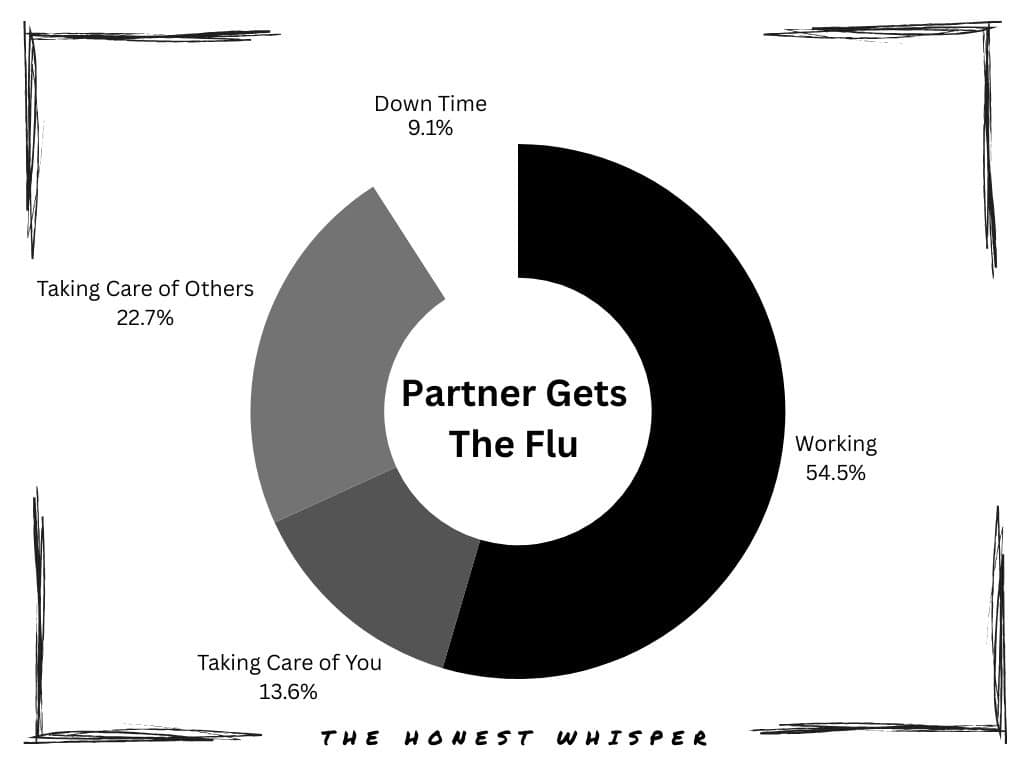
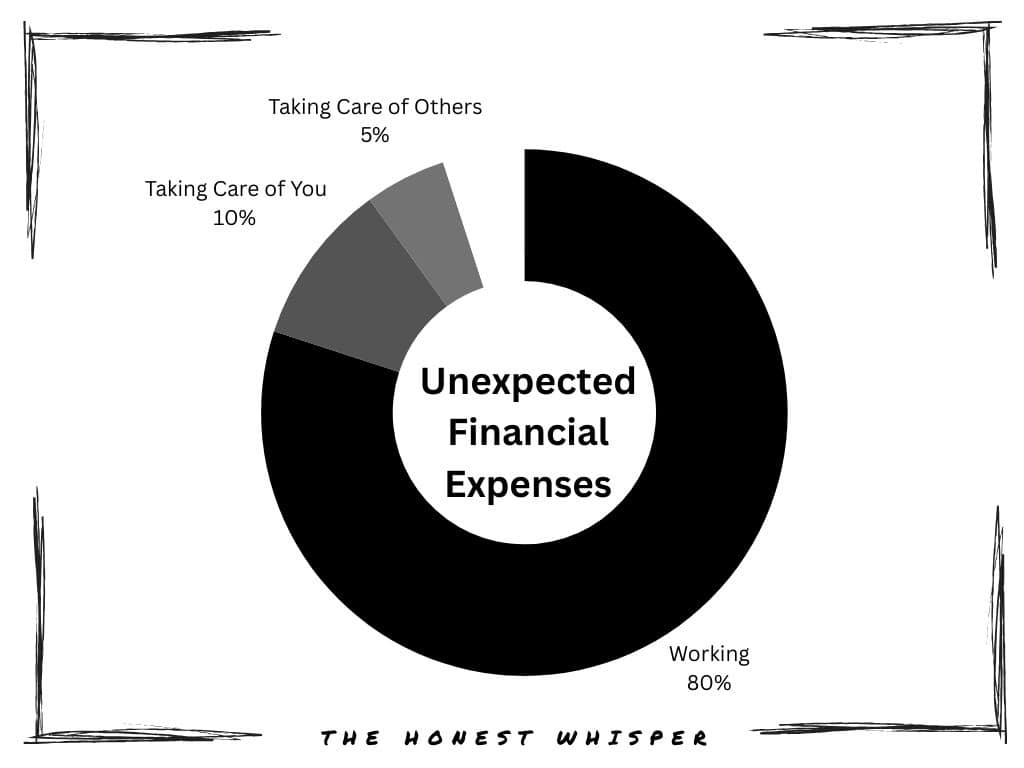
There are many different opinions on what makes up a balanced life. I think we all need different things and quantities at different points in our lives. Learning how to recognize when and what I need is probably the most difficult part for me. I’d like to share what a balanced life looks like for me, even though our experiences may differ. Please keep in mind that these are never equally balanced for me and fluctuate. I’ve analyzed how I spend my time each week across different life areas. I try to have them adapt as best I can to whatever is going on in my life. Work often provides time off during grief, allowing you more time for self-care. Listen to your body’s needs, even if it means some inconsistency. A balanced life for me consists of four factors:
1. Work
- Generating Income: I value work for growth, learning, and professionalism. It also provides for my life and supports the people I love.
- Chores: Laundry, cleaning, dishes, home maintenance/improvements, preparing lunches, etc.)
- Something New: Learning or trying something new (studying/researching/practicing)
2. Taking Care of Others
- Volunteering: Physically contributing/volunteering to help causes I care about. This can also include financial donations if that is a possibility, but I don’t feel it should exempt physically volunteering. For me, this also includes selfless acts in daily life.
- Acts of Service: Taking care of someone who is sick, injured, etc. Complimenting someone. Doing something for someone just because you can.
3. Taking Care of Yourself
- Physical Health: Health, nutrition, fitness, and adequate sleep.
- Emotional Connection: With loved ones and other animals, new people, or making connections with others in daily life. Taking care of your mental health and connections. As an introvert, I value quality connections, especially with my dog, over a large social circle.
- Self-expression: Writing, listening to music, or photography.
- Offline Time: Monitoring or limiting my time spent on social media or the internet in general.
4. Taking a Break
- Downtime: Having no plan/expectations, relaxing, reading/audible books, watching a movie. There shouldn’t be a feeling that there is any goal to reach, but simply have a break.
What this might look like can be seen in the illustrations below:


Embracing Imperfections
Sometimes, we get so engrossed in a passion that hours fly by. That’s okay. You don’t need to control every second. If a creative spark disrupts your “perfectly balanced” schedule, embrace it. These rare moments are part of the extraordinary life vs ordinary life debate—sometimes the ordinary life includes extraordinary moments of flow.
An example of fluctuations in balancing life is illustrated below:
Having an Unbalanced life
Competitive culture often can cause social isolation when there isn’t any balance for extended periods. When we prioritize winning above all else, it can lead to a skewed perspective where our peers are viewed as rivals rather than potential allies. Instead of gaining authentic connections, the isolation can breed feelings of loneliness and inadequacy. This pushes us towards unhealthy coping mechanisms like materialism, substance abuse, and even self-harm. Hyper-competitive people are more likely to suffer from anxiety, stress, and self-harm. Anxiety and chronic stress often result from the constant pressure to outperform others, making it hard to find joy in daily life. The pursuit of constant victory can be self-defeating, with high emotional costs and uncertain outcomes.

“The Difference Between 91 and 99 is a Life”: A Powerful Reminder
A statement from Jennifer Wallace: “The difference between getting a 91 and a 99 is a life”. This quote underscores the importance of prioritizing life beyond grades. It is not just a grade, it is a life, which is much more precious. Celebrating others’ wins becomes difficult when it implies your failure. Though common, unhealthy competition shouldn’t overshadow the benefits of healthy competition. Having a healthy competition involves: focusing on personal best, respect for opponents, fair play, positive attitudes, and sportsmanship.
Healthy Competition Can Be Beneficial
- Motivation: It can motivate individuals to work harder and achieve their goals.
- Skill development: It can help individuals develop new skills and improve existing ones.
- Confidence building: It can boost self-confidence and self-esteem.
- Teamwork: It can foster teamwork and collaboration.
- Stress relief: It can provide a healthy outlet for stress and anxiety.
What I’ve learned
Give yourself and others permission to fail, to not have control, to not be perfect. Loving yourself and others in this state is just as important as loving during wins, controlled situations, and perfection. Be a reminder of your values, unique qualities, and personality traits. Treating people differently based solely on their achievements, performance, or popularity can warp our sense of what matters. It implies an unfair hierarchy, which should not exist. Sometimes, when we make a mistake, it can feel like people love us less; maybe sometimes it’s true. This causes a desire for perfectionism and a bad feeling of being unlovable when imperfect. This is something we can work on as a society to improve our mental health.
Is Ordinary Living Actually Extraordinary?
I believe we should embrace ordinary life and accept others, fostering a healthier society. Ken Robinson’s quote, ‘Gardeners don’t make plants grow, they create optimal conditions,’ resonates with me. For society, ‘optimal conditions’ mean realistic expectations. While this may seem like giving up opportunities, it’s crucial for our mental health. This can be challenging because we may feel like we’re sacrificing opportunities for perceived financial security. This mindset can be isolating and anxiety-inducing, creating the fear of failure if you don’t achieve extraordinary things.
Is “Extraordinary” Really Worth It?
Obsessive competition isolates us. It turns peers into rivals. This leads to loneliness and anxiety. When we prioritize winning above all else, we lose the ability to celebrate others.
Give yourself permission to fail. Treat people based on their character, not their performance. By embracing the pressure to be extraordinary less, we can build a healthier society. We deserve to value ourselves for who we are deep down at our core.
“The most extraordinary thing I ever did was to live an ordinary life ordinarily.”
– Michel de Montaigne
Like this read? Check out Relationship with Yourself: A Guide to Cultivating Mental Well-being to explore the many other ways to improve your relationship with yourself. Brought to you by The Human Experience.



A Canadian animal rights activist, feminist, and mental health advocate with a background in Biotechnology. As a vegan for 10+ years and Founder of The Honest Whisper, she is dedicated to amplifying voices and creating a kinder world for all sentient beings.