
Last Updated on March 27, 2026
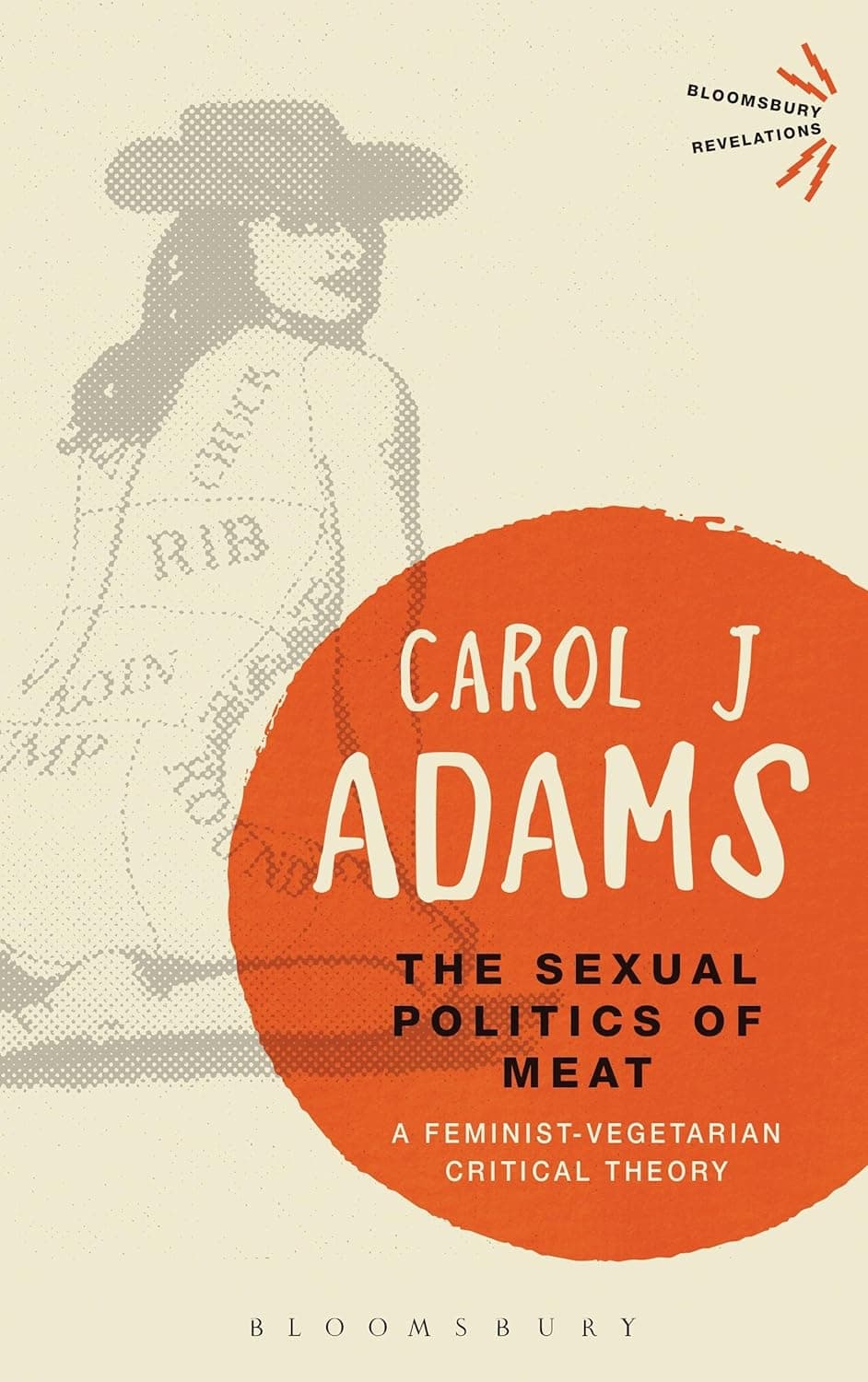
I was grabbing coffee with my friend Max when he recommended a book that he promised would change my entire worldview. At the time, I had been diving deep into women’s history and gender studies. However, I realized I didn’t know much about the “meat” side of the equation at all. Picking up this book was a revelation. As someone who was already a dedicated feminist and vegan, seeing the two worlds collide in these pages was incredibly eye-opening. Thank you, Max, for recommending this read to me, which inspired me to share it with others, too.
Because it is a foundational (and admittedly lengthy) text, I wanted to write The Sexual Politics of Meat book review. I aimed to distill the most powerful lessons I learned. This book helped me understand the systemic problems with our world in a way few others have. Whether you identify as a feminist, a vegan, or neither, I believe this book is essential for understanding the intersectionality of feminism and veganism.
- My Book Review: The Sexual Politics of Meat
- Carol J. Adams' "Absent Referent" Explained
- The Cycle of Objectification, Fragmentation, and Consumption
- The Connection Between Patriarchy and Meat Eating
- The Myth of the "Last Man": Foraging as Survival
- "Feminized Protein": The Ultimate Exploitation
- Why This Book Belongs on Your Shelf
My Book Review: The Sexual Politics of Meat
Carol J. Adams’ The Sexual Politics of Meat isn’t just a book; it’s a paradigm shift. Although first published in 1990, it remains the ultimate guide for anyone exploring the deep connection between patriarchy and meat eating. By dissecting how our culture links the consumption of animals to masculine dominance, Adams provides a framework. This helps us understand how different forms of oppression are built on the same foundation.
If you are looking for vegan feminist books for beginners or seasoned activists alike, this is the place to start. Let’s dive into the core concepts that changed how I see my plate—and the world.
Carol J. Adams’ “Absent Referent” Explained
One of Adams’ most profound contributions is the concept of the absent referent. Simply put, for us to consume meat, the animal must first “disappear.” We don’t eat a “pig”; we eat “pork.” The living, breathing being is stripped of its individuality and replaced by a product. This linguistic distancing allows us to detach from the violence inherent in meat production.
The “But Bacon” Defense: Seeing the Absent Referent in Real Life
After reading Adams’ work, I couldn’t “un-see” the absent referent in my own life—specifically during animal rights protests. Whenever I’m out advocating for animals, the most common “argument” I hear from pedestrians is simply: “But bacon.” It’s a phrase used to end a conversation, but through Adams’ lens, I realized it’s a perfect example of erasure. By saying “bacon,” the person isn’t talking about a sentient individual who lived and died; they are invoking a flavor, a smell, and a cultural product. The pig has been made entirely absent, replaced by a word that acts as a barrier to empathy.
In the grocery store, this is codified on every shelf. We don’t see “slices of pig,” we see “hickory smoked bacon.” This linguistic shield is exactly what allows the cycle of consumption to continue without the consumer ever having to confront the individual who was fragmented to create the product. Of course, “but bacon” is just one of the many bizarre things people say to vegans. If you’ve ever been on the receiving end of unsolicited (and often nonsensical) “tips” from meat-eaters, you’ll definitely relate to my other post: Non-Vegan Wisdom: Hilarious (and Sometimes Harmful) Advice for Vegans.
But Adams takes this further by linking it to the objectification of women. Just as animals become “meat,” women are often fragmented into “parts” in media and advertising. In both cases, the subject is made “absent” so they can be consumed without guilt or consequence.
The Cycle of Objectification, Fragmentation, and Consumption
Adams outlines a chilling blueprint for how oppression becomes normalized. It starts with objectification (viewing a being as an object). It moves to fragmentation (breaking them into pieces—literally in the case of a butcher shop, or figuratively in sexualized media). Finally, it ends in consumption.

Understanding this cycle is vital for anyone studying feminism and veganism intersectionality. It shows that the way we treat animals isn’t a “separate” issue from how we treat women—it’s the same psychological process.
The Connection Between Patriarchy and Meat Eating
Why is the backyard barbecue such a “manly” space? Adams dives into the history of meat as a symbol of masculinity. For centuries, meat has been positioned as a “man’s food,” representing power and strength. Meanwhile, women were often relegated to “second-class” plant foods.
My Reflection: The “Carnivore” Ego and Fragile Masculinity
Growing up in the country and navigating the dating world as a vegan, I’ve seen firsthand how meat is used as a psychological crutch for “alpha” identity. There is a specific type of fragility that arises when men feel they need to prove they are the “best” or the most “powerful.” Instead of building true strength of character, many take the lazy route: performing their manhood through the consumption of animals.
We see this everywhere now with the rise of the “carnivore diet” and “lion” branding on social media. These men claim meat as “theirs,” as if eating a steak is a revolutionary act of dominance. It proves Adams’ point perfectly—it’s not about hunger; it’s about a desperate need to reclaim a sense of patriarchal power that feels threatened. In my experience dating non-vegans, the pushback against my lifestyle was rarely about health. Rather, it was about the man feeling that my plant-based plate made him look “weak” by comparison. To them, meat isn’t just food. Instead, it’s a security blanket for the male ego.[Your Personal Reflection: Discuss a modern “alpha male” diet trend you’ve noticed and how it proves Adams’ point about performing manhood through meat.]
This connection between patriarchy and meat eating explains why many men feel their identity is threatened by the idea of veganism. To give up meat is, in their eyes, to give up power.
The Myth of the “Last Man”: Foraging as Survival
One of the most captivating parts of the book is when Adams shares a story that reimagines our ancient history. In this narrative, men are depicted as hunters who eventually struggle to find food as the land is depleted. One by one, the hunters leave their group and never return. The “Last Man” assumes his companions have perished in the wilderness, victims of their inability to kill enough to survive.
In reality, the men hadn’t died—they had found the women’s clan. While the men were obsessed with the hunt, the women had been successfully surviving through foraging and gathering. One by one, the men discovered that a life based on plant-based community was more sustainable. It was better than one based on the violent, often fruitless pursuit of meat.
This story is a beautiful metaphor for how we’ve been conditioned to believe that meat (and the “masculine” hunt) is the foundation of civilization. In fact, it was the “feminine” act of foraging that kept us alive. It encourages us to imagine a society where dominance isn’t the primary goal of survival.
This reimagining of history made me think deeply about how our current social structures are built on these myths of masculine necessity. If you’re interested in exploring these “what if” scenarios further, check out my other post: Reimagining History: A World Without Men.
“Feminized Protein”: The Ultimate Exploitation
Even if you’re already vegan, the section on “feminized protein” is eye-opening. Adams argues that dairy and eggs represent the specific exploitation of the female reproductive system. It isn’t just about the death of the animal; it’s about the control of the female body’s biological cycles. This perspective makes this a must-read for any The Sexual Politics of Meat book review. Indeed, it forces us to look at the dairy industry through a strictly feminist lens. If this realization hits home for you, it’s time to look at the broader call for feminism for animals. I’ve written an open letter every caring person needs to read that explores why we cannot truly fight for women’s liberation while continuing to exploit the reproductive labor of other female beings.
Why This Book Belongs on Your Shelf
If you are building a list of vegan feminist books for beginners, The Sexual Politics of Meat is the foundation. It gives us the language to “un-see” the hidden messages in our culture. It empowers us to build a more compassionate, intersectional world. By looking back at stories like “The Last Man,” we can begin to imagine a future that isn’t dependent on dominance. Instead, it relies on the sustainable, communal values that have actually kept us alive all along.
How to Read “The Sexual Politics of Meat”
If you’re feeling hungry to dive into the full text (and I highly recommend that you do!), there are plenty of ways to access it that fit your lifestyle. Whether you prefer the weight of a physical book on your shelf, the convenience of an ebook on your tablet, or listening to Audible books during your morning commute (my personal favourite), this foundational text is widely available. While prices can vary depending on the format, it is a piece of history that is worth every penny of the investment. For the best accessibility and to ensure you’re getting the most updated anniversary edition, I recommend checking out the various options listed directly on Carol J. Adams’ website, along with upcoming events such as public speakings and book signings.

“Manhood is constructed in our culture, in part, by access to meat eating and control of other bodies.”
― Carol J. Adams, The Sexual Politics of Meat: A Feminist-Vegetarian Critical Theory
The Sexual Politics of Meat: A Feminist-Vegetarian Critical Theory


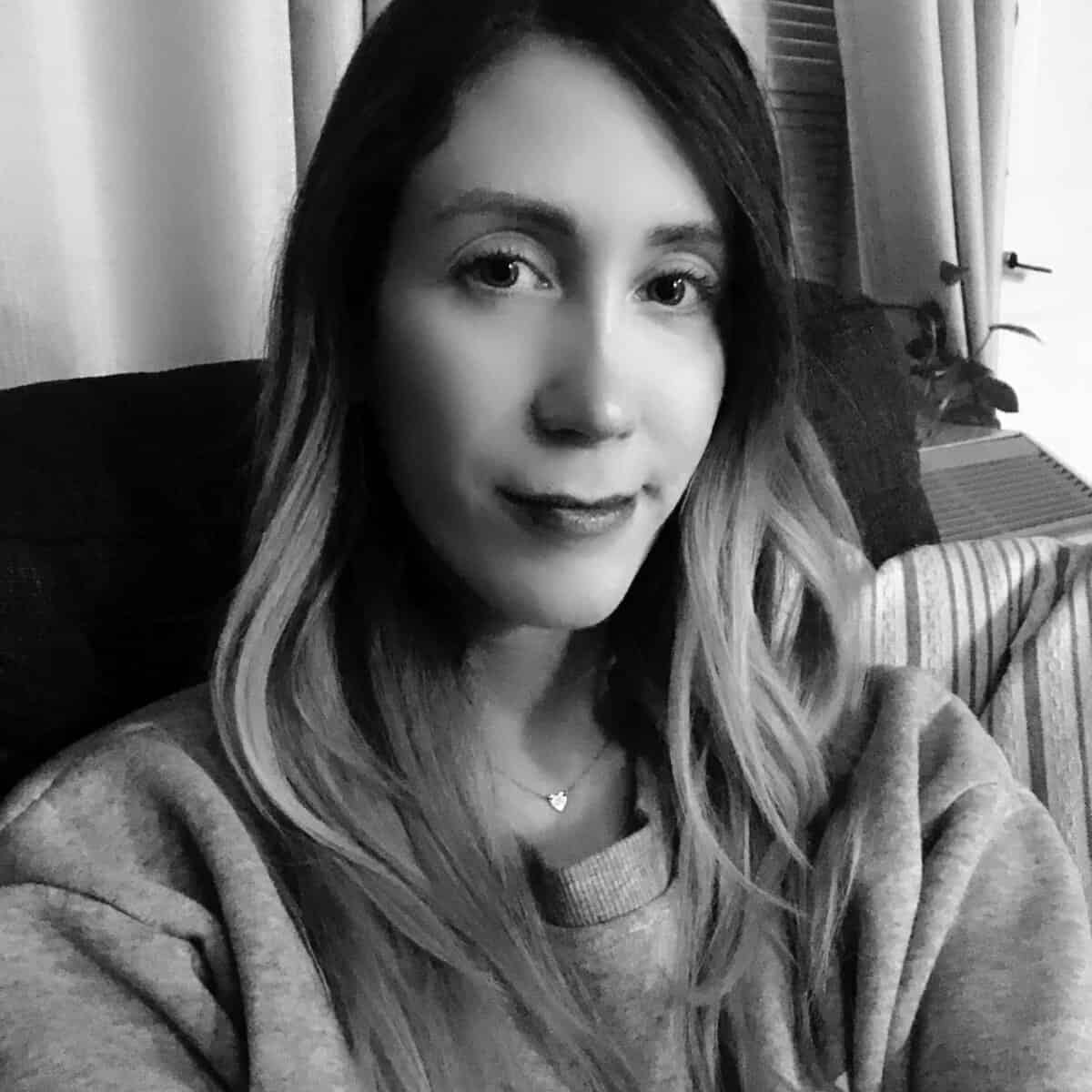
A Canadian animal rights activist, feminist, and mental health advocate with a background in Biotechnology. As a vegan for 10+ years and Founder of The Honest Whisper, she is dedicated to amplifying voices and creating a kinder world for all sentient beings.

